



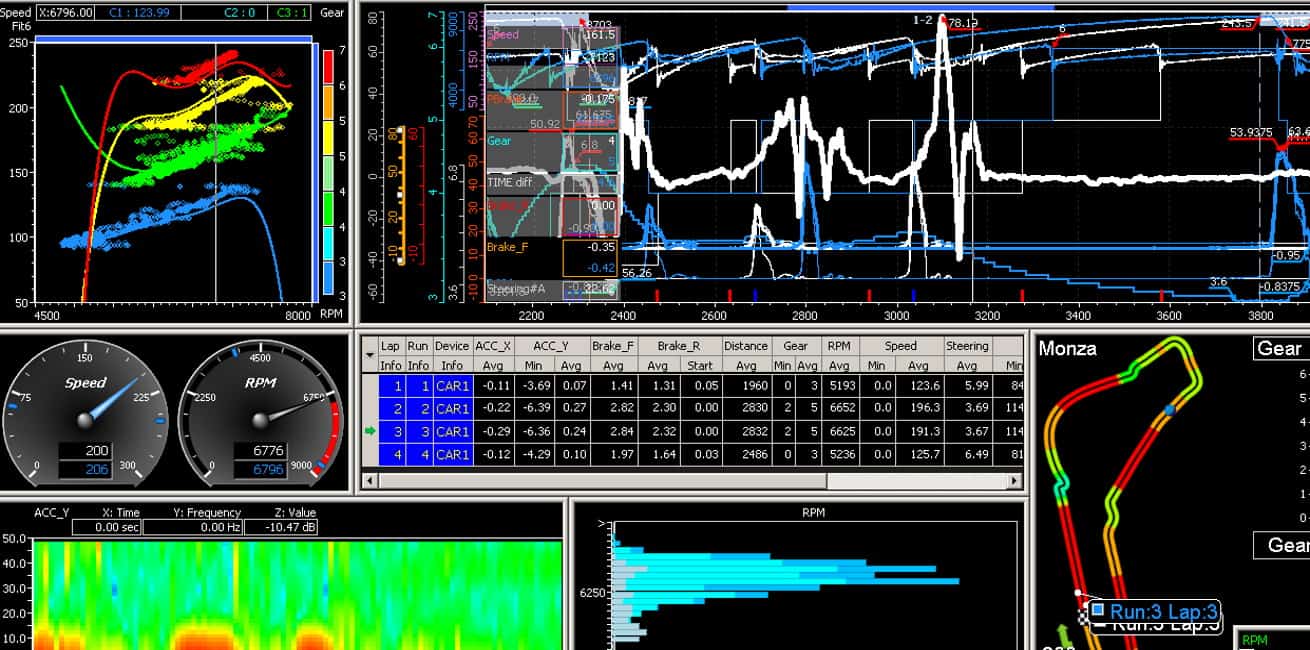

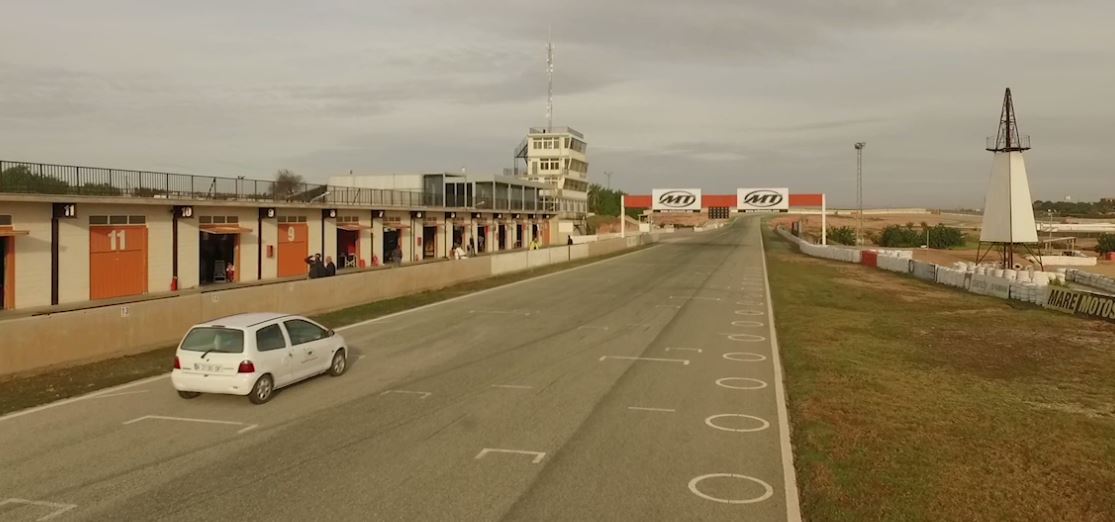
The Elektrun project, we went to the speed circuit of Cartagena with the prototype (The Electric Twingo), where we were able to use the track for quite a while. We would like to thank the organisation of the circuit for this gesture and for their help.
We decided to drive non-stop, using a constant current, in order to analyse how other aspects of the prototype (our electric Twingo), such as range, temperatures, rpms, etc., were affected.
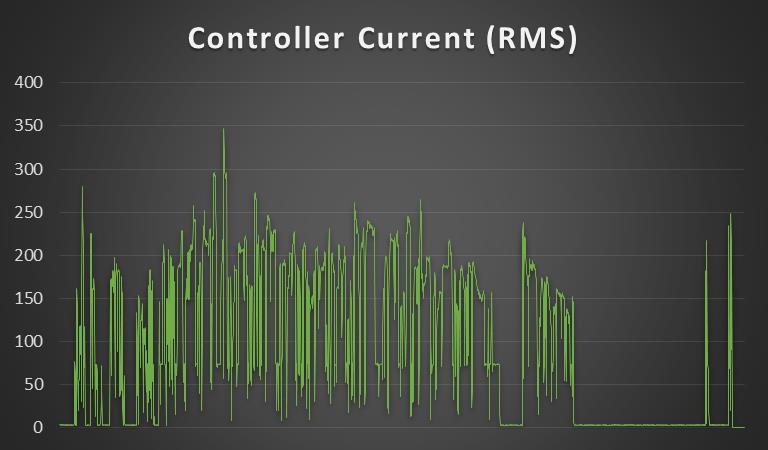
Due to the number of curves in the circuit, we were not able to maintain a stable current, but we were able to monitor it and this was the result.
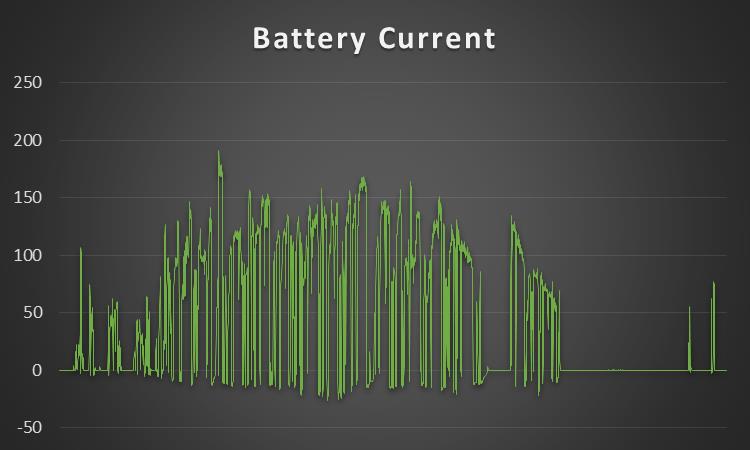
We could see an average of 120 amps coming out of the battery most of the time, as well as about 210 amps from the controller.
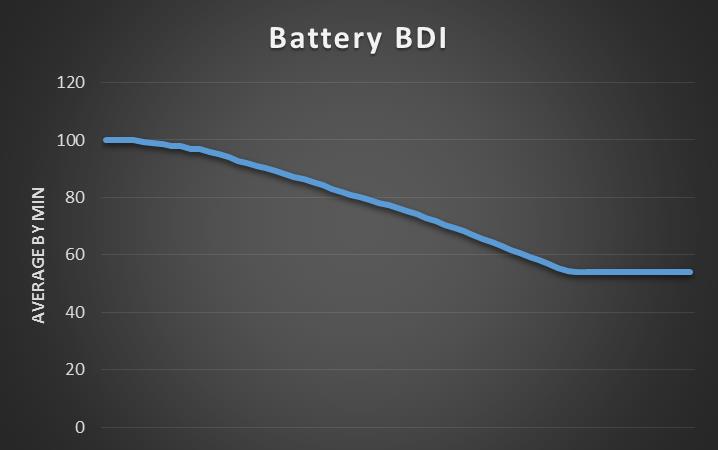
All this time we consumed about 3.3Kw, which is an impressive 46% of the total capacity.
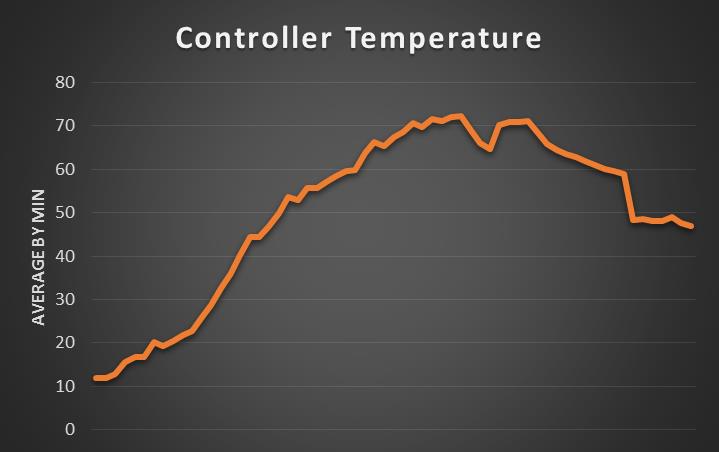
But how did the test affect the rest of the components? Well, we could notice that the controller was getting a bit hot, which led us to think about an additional cooling system. We saw a peak of 72°C, which is a bit borderline for a healthy temperature, so we are working on a system that will dissipate the radiator temperature faster.
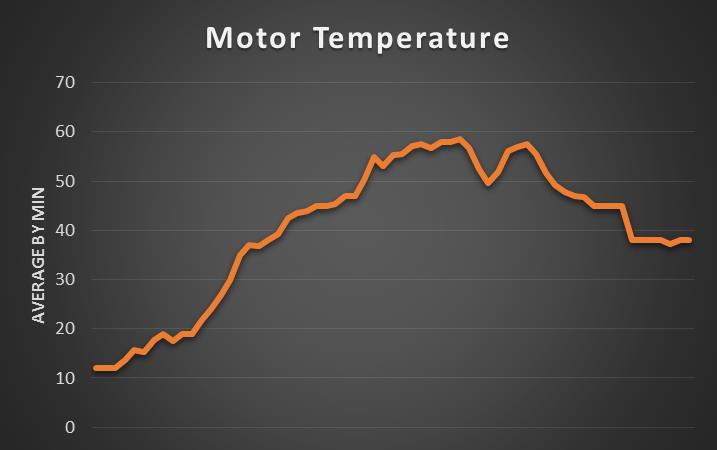
The engine also got a bit warm, but within a healthy temperature, between 40ºC and 50ºC, so no problems so far.
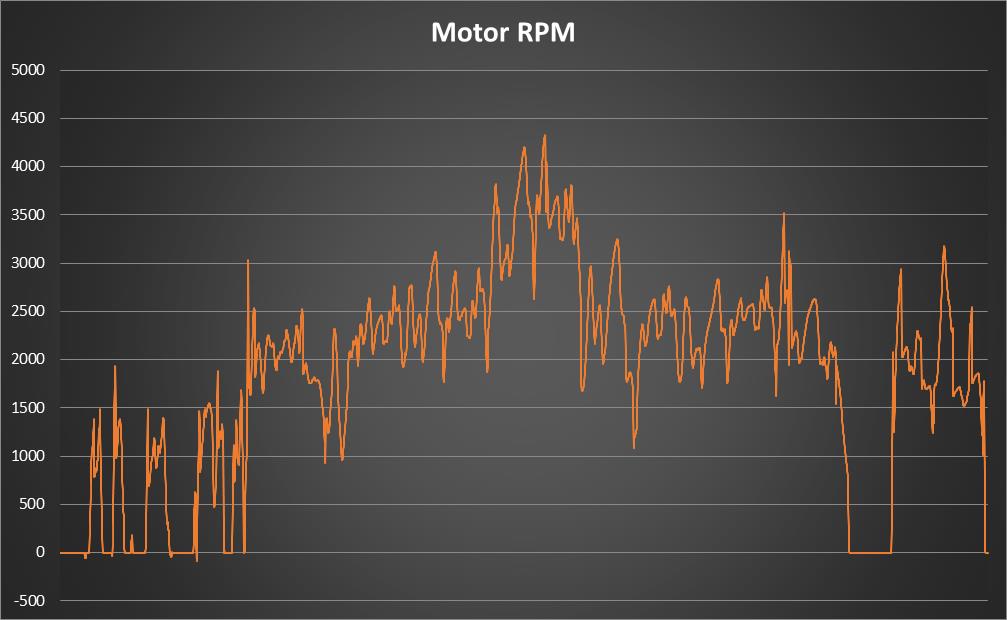
We were also trying to keep the engine at a steady 2500rpm, which is the manufacturer's recommended speed for maximum torque. Having driven with the most efficient rpm ratio is also good news. So, the telemetry went well at the Cartagena circuit.
And so, here you have a short video summary of the rehearsals. If you want a similar professional work for your project, please contact: Technoforma, victor.aldaya@tecforma.com


I want a 318 tds e36 compact diesel hybrid with FBW asymmetric thrust wheel engines, with powers to be considered a M3 compact and rub BMW's nose in it, it won't be cheap but it's relatively simple... Also a 190 2.5 16 evo could be possible... Come on... Ya....
Unfortunately, although the conversions seem simple at first glance, the bureaucratic issue of homologation makes it a bit more complicated, and changing the traction of the indirect front axle, to wheels with a dead weight at high speed, I think that the laboratories in Spain would give us a headache. Best regards.
Hello good morning, and a challenge
Is it possible to convert to a motorhome?
The weight of the motorhome makes the cost of conversion very expensive today. Best regards.
Hello, I am a car mechanic and I have knowledge of electronics. I am interested in supporting the project with ideas and promoting it in Peru.
Here, urban journeys hardly exceed 60km. The maximum speed in the city is 60km/h and the intense traffic forces you to go at an average speed of 40km/h, with stops every three streets. The fast roads in the capital city (only 4) is 80km/h.
For all these reasons I think that a car could have a lower kW engine and smaller batteries or deep cycle batteries, to make it cheaper and more widespread.
Please contact me to give you and exchange more information.
Lead batteries (deep cycle or not) are much heavier and have less capacity, unless you are looking for a range of 20kms... it is better not to use them. Best regards.